
Community-Based Instruction: A Comprehensive Overview (Updated 03/31/2026)
Project 10’s Transition Education Network offers valuable resources regarding community-based instruction, aiming to meet the diverse needs of visitors and ensure effective secondary transition planning.
This network welcomes all users, regardless of role, without requiring sign-in, and focuses on collecting data to improve resource accessibility and relevance for all stakeholders.
What is Community-Based Instruction (CBI)?
Community-Based Instruction (CBI) represents a dynamic and impactful educational approach, extending learning beyond the traditional four walls of the classroom. It’s a method deeply rooted in practical application, taking students into the community to acquire and generalize skills in authentic, real-world settings.
Unlike conventional instruction, CBI isn’t simply about field trips; it’s a carefully structured pedagogical strategy. It involves intentionally selecting community sites – grocery stores, banks, restaurants, workplaces – as integral learning environments. The core idea is to teach skills that are directly relevant to students’ lives, fostering independence and promoting successful participation in society.
Project 10’s Transition Education Network highlights CBI as a crucial component of effective transition planning. This approach isn’t limited to academic skills; it encompasses vocational training, social skills development, and self-advocacy. CBI aims to bridge the gap between what is learned in school and what is required for successful adult living, empowering students to navigate their communities confidently and competently. It’s about learning by doing in the places where those skills will actually be used.
CBI is a proactive strategy for preparing students for life after school.
The Core Principles of CBI
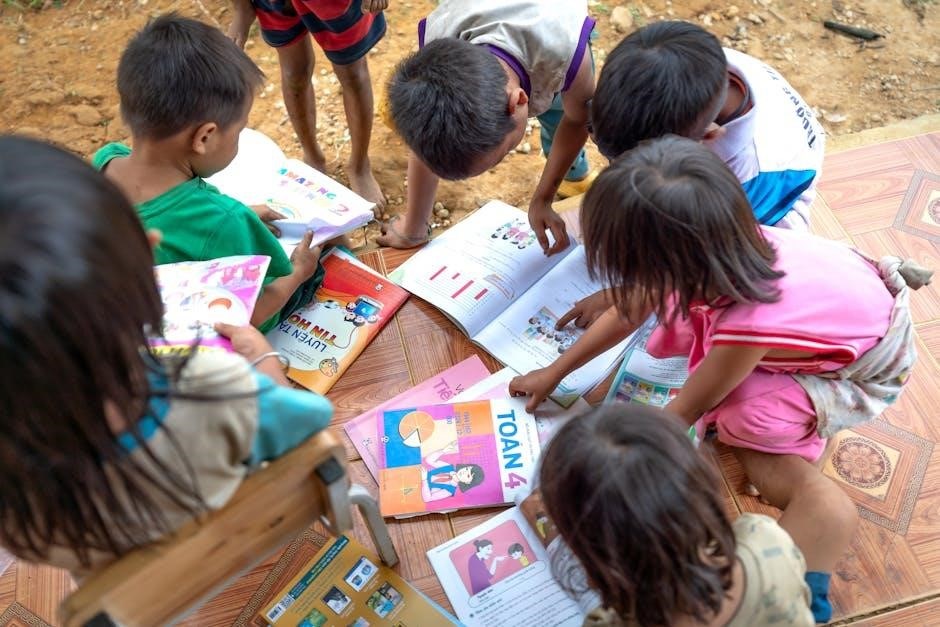
Community-Based Instruction (CBI) is guided by several fundamental principles that ensure its effectiveness. Central to CBI is the concept of functional relevance – skills taught must be directly applicable to the student’s current and future life needs, as emphasized by resources like Project 10’s Transition Education Network.
Generalization is another key tenet. Learning isn’t confined to a single setting; students are expected to apply skills across various community environments. This requires deliberate practice and systematic fading of support. Student choice and self-determination are also vital, empowering students to take ownership of their learning and make informed decisions.
Furthermore, CBI prioritizes collaboration. Successful implementation necessitates strong partnerships between educators, families, and community members. This collaborative spirit ensures that instruction is aligned with real-world expectations and individual student goals. Finally, individualization is paramount; CBI programs must be tailored to meet the unique needs, strengths, and interests of each learner, fostering a sense of accomplishment and promoting long-term success. These principles collectively create a powerful learning experience.
These core principles are essential for effective CBI implementation.
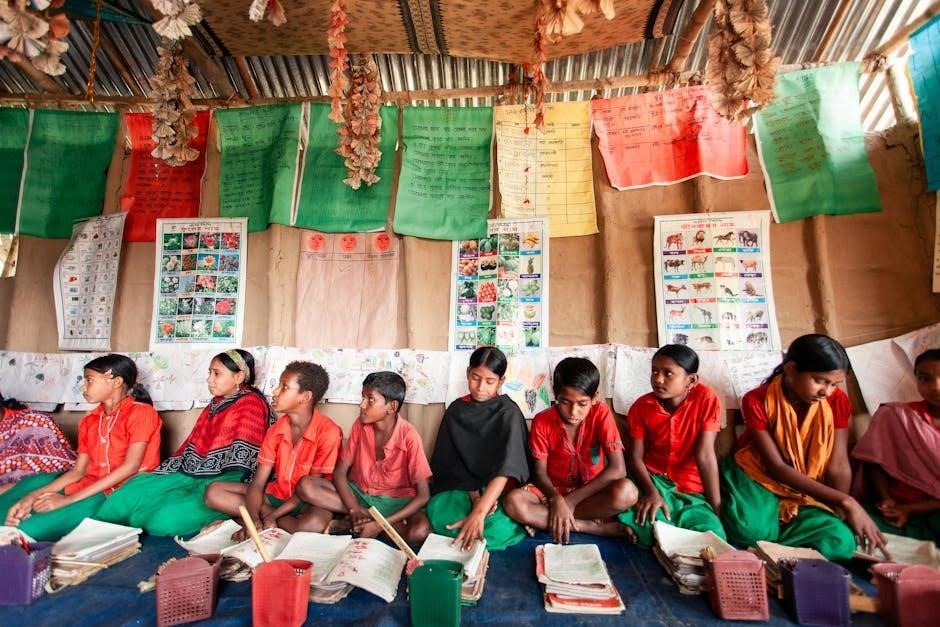
Historical Development of CBI
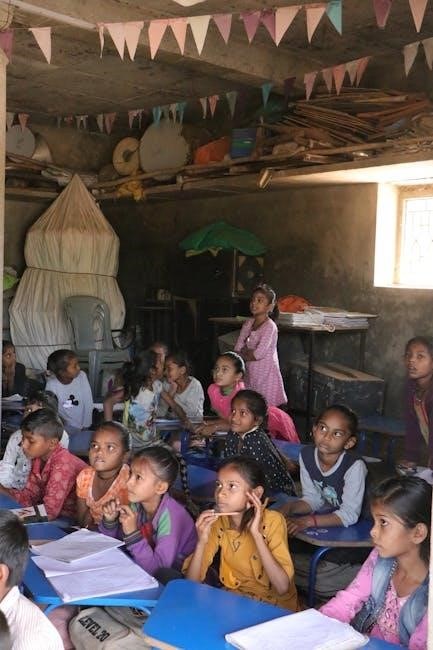
The roots of Community-Based Instruction (CBI) trace back to the 1970s, emerging as a response to the limitations of traditional, segregated special education settings. Early pioneers recognized the need for more authentic and functional learning experiences for students with disabilities, moving beyond the confines of the classroom.
Initially, efforts focused on vocational training within community workplaces, providing students with opportunities to develop practical skills. However, CBI quickly evolved to encompass a broader range of learning environments, including grocery stores, banks, and public transportation systems. Project 10’s Transition Education Network highlights the ongoing evolution of these practices.
The normalization principle, advocating for the inclusion of individuals with disabilities in all aspects of community life, heavily influenced CBI’s development. Throughout the 1980s and 1990s, research demonstrated the positive impact of CBI on student generalization, independence, and social integration. Today, CBI continues to adapt, incorporating assistive technology and individualized approaches to meet the diverse needs of learners and promote successful transitions to adulthood.
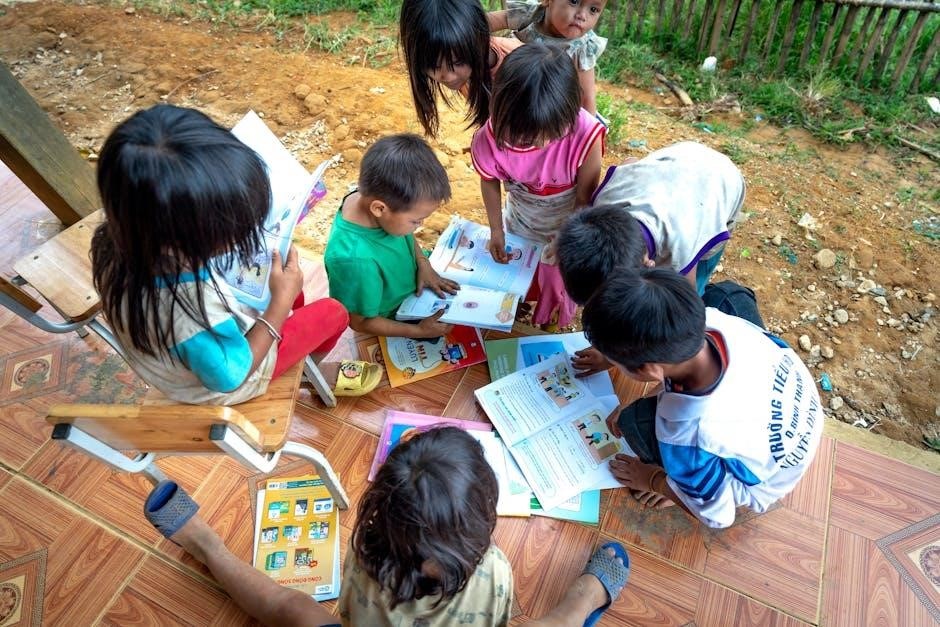
CBI’s history reflects a commitment to inclusive and meaningful education.
Benefits of CBI for Students with Disabilities
Community-Based Instruction (CBI) offers a multitude of benefits for students with disabilities, extending far beyond traditional academic gains. By learning in real-world settings, students develop practical skills directly applicable to daily life, fostering increased independence and self-sufficiency. This approach promotes generalization of skills, meaning students are better able to apply what they learn across different environments.
CBI significantly enhances vocational skills, preparing students for future employment opportunities. Exposure to diverse community settings also improves social skills, communication, and problem-solving abilities. Project 10’s Transition Education Network emphasizes the importance of preparing students for life beyond school.
Furthermore, CBI boosts student motivation and engagement, as learning becomes more relevant and meaningful. It fosters a sense of belonging and inclusion within the community, reducing stigma and promoting positive self-esteem. The authentic nature of CBI experiences also supports the development of self-advocacy skills, empowering students to take ownership of their learning and future goals. Ultimately, CBI equips students with the tools they need to thrive as active and contributing members of society.
CBI vs. Traditional Classroom Instruction
Traditional classroom instruction typically occurs within a structured, controlled environment, focusing on abstract concepts and standardized curriculum. While foundational, this approach can sometimes lack real-world relevance for students, particularly those with disabilities who benefit from practical application. Conversely, Community-Based Instruction (CBI) deliberately bridges this gap by taking learning into the community.
CBI prioritizes authentic experiences – grocery shopping, banking, using public transportation – transforming everyday activities into learning opportunities. Unlike the often-simulated scenarios of a classroom, CBI provides genuine contexts for skill development and generalization. Project 10’s Transition Education Network highlights the need for relevant transition planning.
While traditional instruction excels at delivering core knowledge, CBI excels at fostering independence, problem-solving, and social skills. It shifts the focus from rote memorization to functional application, empowering students to navigate real-life challenges. CBI isn’t meant to replace traditional learning, but rather to complement it, creating a more holistic and effective educational experience. The goal is to equip students with skills they can immediately utilize and build upon.
Key Components of Effective CBI Programs
Effective Community-Based Instruction (CBI) programs aren’t simply field trips; they are carefully structured learning experiences built upon several key components. First, individualized instruction is paramount, tailoring activities to each student’s specific IEP goals and skill levels. This necessitates thorough assessment to identify strengths and areas for growth.
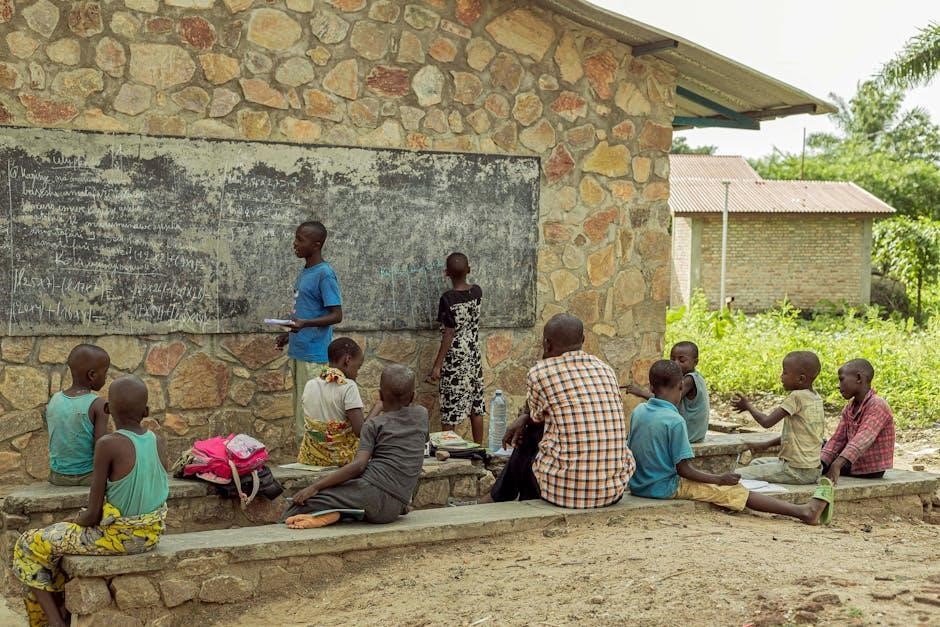
Second, collaboration with community partners – local businesses, organizations, and volunteers – is crucial for providing authentic learning environments and fostering a sense of belonging. Project 10’s Transition Education Network emphasizes the importance of meeting visitor needs through relevant resources.
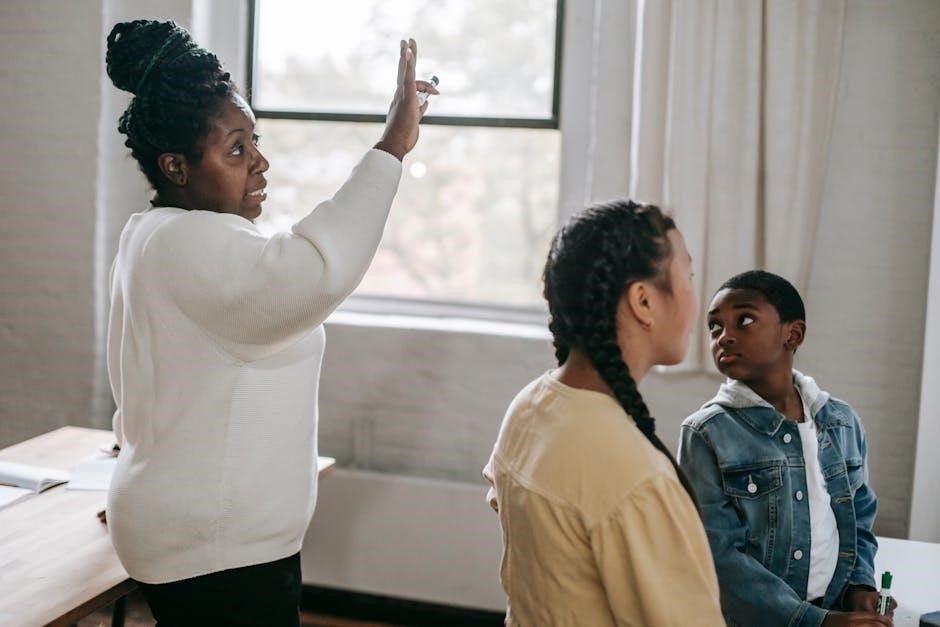
Third, explicit instruction in functional skills, such as money management, communication, and problem-solving, is essential. Fourth, data collection and ongoing progress monitoring are vital for tracking student performance and adjusting instruction accordingly. Finally, a strong emphasis on generalization – ensuring skills are transferable to new settings and situations – is the hallmark of a successful CBI program. These components, when integrated effectively, maximize the impact of CBI on student outcomes.
Identifying Appropriate Community Sites
Selecting suitable community sites for CBI is a critical step, demanding careful consideration of several factors. The ideal location should directly align with students’ IEP goals and provide opportunities to practice functional skills in authentic contexts. Accessibility is paramount; sites must be physically accessible and welcoming to individuals with diverse needs.
Furthermore, the site should offer a safe and supportive learning environment, with staff willing to collaborate and provide guidance. Project 10’s Transition Education Network highlights the importance of meeting the needs of all visitors, suggesting a similar approach to site selection.
Consider locations like grocery stores for money management, banks for financial literacy, restaurants for social skills, and workplaces for vocational training. Prioritize sites offering varied learning experiences and opportunities for interaction with the public. Thoroughly vet potential sites, assessing safety protocols, staff training, and willingness to accommodate student needs; A well-chosen site transforms CBI from a lesson into a real-world learning experience.
Developing CBI Lessons & Curriculum
Crafting effective CBI lessons requires a shift from traditional textbook-based learning to real-world application. Curriculum development should begin with a thorough task analysis, breaking down complex skills into smaller, manageable steps. Lessons must be individualized, directly addressing each student’s IEP goals and functional needs.
Project 10’s Transition Education Network emphasizes meeting visitor needs, mirroring the need to tailor CBI to individual student profiles. Integrate opportunities for generalization and maintenance of skills across different settings and situations.
Lessons should incorporate authentic materials and activities found within the community site. For example, a grocery store lesson could focus on reading price tags, making purchases, and calculating change. Collaboration with community partners is crucial for ensuring relevance and authenticity. Regularly assess student progress and adjust lessons accordingly, fostering independence and promoting successful community participation. Remember, the goal is to equip students with skills for life beyond the classroom.
Task Analysis in CBI
Task analysis is fundamental to successful Community-Based Instruction (CBI). It involves breaking down a complex, real-world task into smaller, discrete steps. This systematic approach ensures students can master each component before attempting the whole task, fostering independence and reducing frustration.
Considering Project 10’s focus on meeting diverse needs, task analysis must be individualized. What constitutes a “step” will vary based on a student’s abilities and IEP goals. For instance, “ordering a coffee” might involve steps like approaching the counter, making eye contact, stating the order, paying, and receiving change.
Effective task analysis isn’t just about listing steps; it’s about identifying prerequisite skills. Does the student need to practice requesting assistance or understanding money concepts? Data collection during task analysis informs lesson planning and allows for targeted instruction; Regularly review and refine the analysis as students progress, ensuring continued relevance and promoting skill generalization within the community.
Data Collection & Progress Monitoring in CBI
Robust data collection is crucial for demonstrating the effectiveness of Community-Based Instruction (CBI) and informing instructional decisions. Aligning with Project 10’s emphasis on understanding user needs, data should be gathered systematically to track student progress toward IEP goals within authentic community settings.
Methods include frequency counts of independent task completion, duration recording of sustained engagement, and qualitative observations of student interactions. Data should focus on specific, measurable behaviors related to the targeted skills. For example, documenting the number of successful purchases made independently at a store.
Progress monitoring isn’t a one-time event. Regular data review allows teachers to identify areas of strength and weakness, adjust CBI lessons accordingly, and ensure students are making meaningful gains. This iterative process, informed by real-world performance, maximizes the impact of CBI and supports effective transition planning. Data also justifies program effectiveness to stakeholders.
Role of the Special Education Teacher in CBI
The special education teacher serves as the central orchestrator of successful Community-Based Instruction (CBI). Building upon Project 10’s focus on meeting diverse needs, the teacher’s role extends beyond traditional classroom instruction to encompass curriculum adaptation, community collaboration, and individualized student support.
Key responsibilities include conducting thorough task analyses of community tasks, developing individualized CBI lessons aligned with IEP goals, and providing direct instruction and modeling within authentic settings. Teachers must also proactively address safety concerns and facilitate student generalization of skills.

Furthermore, the teacher acts as a liaison between the school, the student’s family, and community partners. This collaborative approach, mirroring Project 10’s network-building philosophy, ensures a cohesive and supportive learning environment. Ongoing data collection and progress monitoring, coupled with effective communication, are essential components of the teacher’s role in maximizing CBI’s impact.
Collaboration with Community Partners
Effective Community-Based Instruction (CBI) hinges on robust collaboration with local businesses and organizations, echoing Project 10’s emphasis on network building and resource accessibility. These partnerships provide authentic learning environments and opportunities for students to acquire functional skills.
Successful collaboration involves identifying potential community sites aligned with student IEP goals and conducting initial meetings to establish clear expectations and roles. Teachers must actively communicate student needs and learning objectives to community partners, ensuring a supportive and inclusive experience.
Furthermore, ongoing communication and feedback are crucial for maintaining strong partnerships. This includes providing partners with training on effective instructional strategies and acknowledging their contributions. By fostering mutually beneficial relationships, CBI programs can expand learning opportunities and promote community integration, aligning with Project 10’s mission to enhance transition outcomes for all students.
Addressing Safety Concerns in CBI
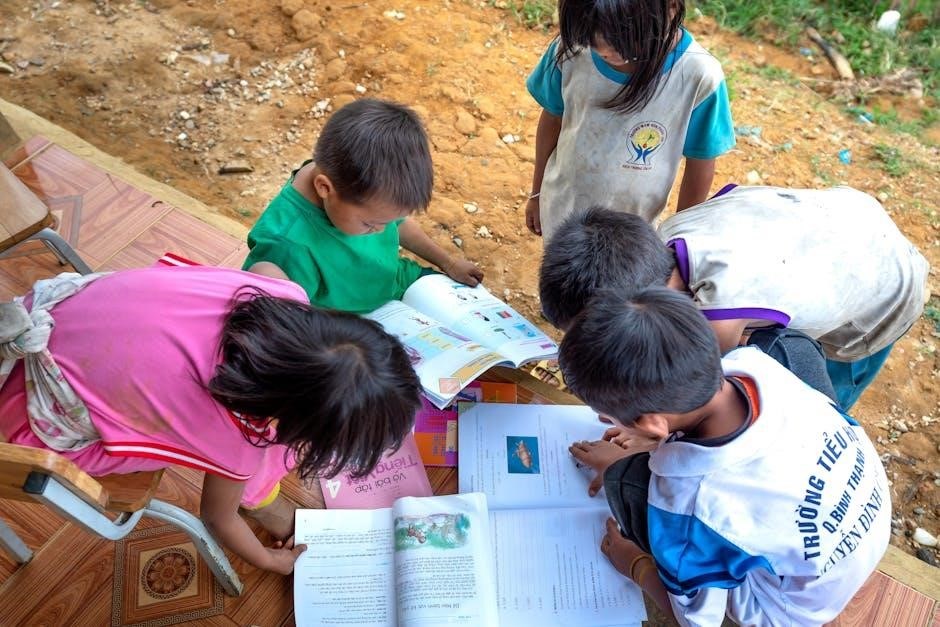
Prioritizing student safety is paramount when implementing Community-Based Instruction (CBI), requiring meticulous planning and proactive measures. While Project 10 focuses on transition network accessibility, safety underpins successful community integration.
Comprehensive risk assessments of potential community sites are essential, identifying potential hazards and developing mitigation strategies. This includes evaluating traffic patterns, pedestrian safety, and the presence of potential dangers. Thorough training for both students and staff on safety protocols, emergency procedures, and appropriate behavior in public settings is crucial.
Establishing clear communication systems, such as buddy systems and designated check-in points, enhances supervision and accountability. Obtaining informed consent from parents or guardians, outlining safety procedures and potential risks, is also vital. Regular review and updates to safety protocols, based on ongoing assessments and feedback, ensure a secure and enriching CBI experience for all students.
CBI for Students with Diverse Needs
Community-Based Instruction (CBI) offers a uniquely adaptable framework for supporting students with a wide spectrum of needs. While Project 10 emphasizes transition network access for all, CBI’s strength lies in its individualized approach.
Modifications and accommodations are key to ensuring meaningful participation for students with varying cognitive, physical, and sensory abilities. This may involve simplifying tasks, providing assistive technology, or adapting the learning environment to suit individual requirements. Careful task analysis allows for breaking down complex skills into manageable steps, fostering success for all learners.
Collaboration between educators, therapists, and families is crucial in tailoring CBI experiences to meet specific student goals. CBI’s real-world context provides opportunities to generalize skills across settings, promoting independence and enhancing quality of life. By embracing inclusivity and adapting instruction, CBI empowers all students to thrive in their communities.
CBI and Transition Planning (IEP Focus)
Community-Based Instruction (CBI) is intrinsically linked to effective transition planning, particularly within the framework of an Individualized Education Program (IEP). As highlighted by Project 10’s transition network, a student-centered approach is paramount.
IEP goals should directly reflect the skills necessary for post-secondary success – employment, independent living, and continued education. CBI provides authentic contexts to address these goals, moving beyond simulated environments. Transition assessments inform CBI lesson development, identifying strengths and areas for growth.
CBI activities become integral components of the IEP, documented as specific, measurable, achievable, relevant, and time-bound (SMART) objectives. Collaboration between the IEP team, including students and families, ensures CBI aligns with individual aspirations. This proactive approach fosters self-advocacy and empowers students to actively participate in their transition journey, maximizing their potential for a fulfilling future.
Examples of CBI Activities by Skill Area
Community-Based Instruction (CBI) offers diverse activities tailored to specific skill areas, fostering practical application of knowledge. For vocational skills, students might practice job applications and interviewing at local businesses, or engage in simulated work tasks within a real workplace setting.
Daily living skills can be honed through grocery shopping (budgeting, making choices), using public transportation (route planning, fare payment), or managing personal finances at a bank. Social skills are developed through interactions with community members during these activities, promoting appropriate communication and etiquette.
Academic skills, like math, are reinforced by calculating discounts at stores or measuring ingredients for a recipe. CBI, as supported by resources like Project 10, emphasizes real-world relevance, making learning engaging and meaningful. These experiences build confidence and prepare students for independent living and successful participation in their communities.
Assistive Technology Integration in CBI
Assistive Technology (AT) significantly enhances the effectiveness of Community-Based Instruction (CBI), empowering students with disabilities to participate more fully and independently. Devices like smartphones with reminder apps can support task completion during community outings, while communication devices facilitate interactions with community members.
GPS devices aid in navigation and safety, especially for students working on travel skills; Visual supports, delivered through tablets, can provide step-by-step instructions for tasks like ordering food or using vending machines. AT, when thoughtfully integrated, bridges skill gaps and promotes self-advocacy.
Resources like Project 10 emphasize the importance of individualized approaches, ensuring AT aligns with each student’s unique needs and learning goals. Careful consideration of environmental factors and task demands is crucial for successful implementation. Ultimately, AT in CBI fosters greater independence, confidence, and access to community experiences.
Funding Sources for CBI Programs
Securing funding for Community-Based Instruction (CBI) programs often requires a multifaceted approach, leveraging diverse sources to ensure sustainability. Federal grants, such as those available through the Individuals with Disabilities Education Act (IDEA), can provide substantial support for program development and implementation.
State-level funding initiatives, dedicated to special education and transition services, represent another key avenue for financial assistance. Local school districts frequently allocate resources to CBI programs, recognizing their value in preparing students for post-secondary life.
Furthermore, exploring partnerships with community businesses and organizations can unlock additional funding opportunities through sponsorships or in-kind donations. Resources like Project 10’s Transition Education Network can help identify potential grant opportunities and best practices for fundraising. Effective grant writing and demonstrating program impact are crucial for securing ongoing financial support.
Challenges and Solutions in Implementing CBI
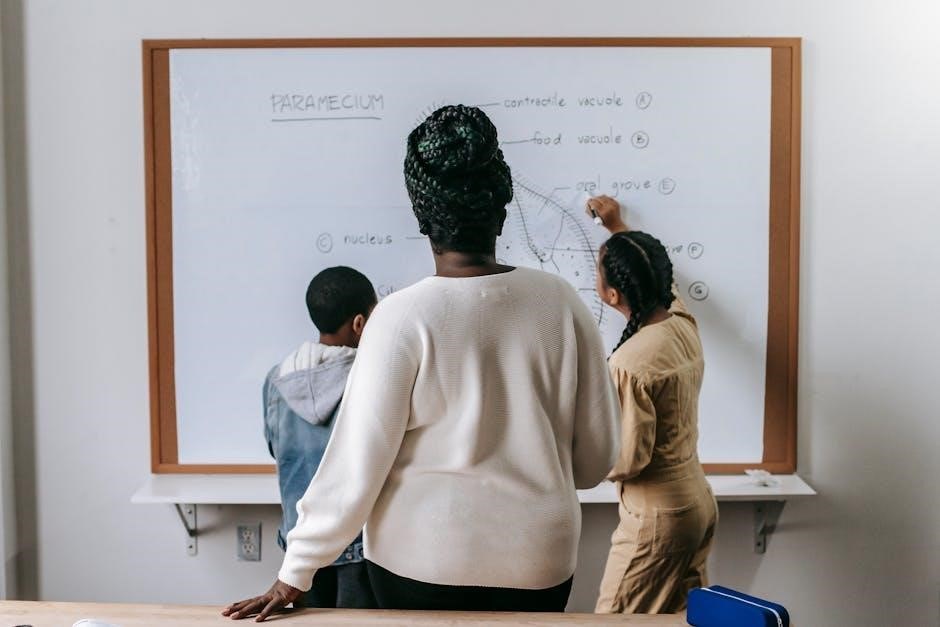
Implementing Community-Based Instruction (CBI), while highly beneficial, presents several challenges. Transportation logistics can be complex, requiring careful planning and coordination to ensure student access to community sites. Securing appropriate and willing community partners also demands significant effort and relationship-building.
Curriculum adaptation to real-world settings requires creativity and a thorough understanding of individual student needs. Maintaining student safety in unfamiliar environments is paramount, necessitating robust risk assessment and mitigation strategies. Addressing concerns from community partners regarding student behavior or program disruption is also crucial.
Solutions include leveraging school buses, utilizing parent volunteers, and establishing clear communication protocols with community partners. Thorough task analysis and individualized lesson planning can facilitate curriculum adaptation. Resources like Project 10’s Transition Education Network offer valuable insights and best practices for overcoming these hurdles, ensuring successful CBI program implementation.
Future Trends in Community-Based Instruction
The future of Community-Based Instruction (CBI) is poised for exciting advancements, driven by technological innovation and a growing emphasis on inclusive practices. We anticipate increased integration of virtual reality (VR) and augmented reality (AR) to simulate community environments for skill practice, particularly beneficial for students with anxiety or limited mobility.
Personalized learning pathways, powered by data analytics, will become more prevalent, tailoring CBI experiences to individual student strengths and needs. Greater emphasis on collaborative partnerships with businesses and organizations will expand access to authentic work experiences and vocational training.
Resources like Project 10’s Transition Education Network will play a vital role in disseminating these emerging trends and supporting educators. A shift towards micro-credentials and competency-based assessments will further validate CBI-acquired skills, preparing students for successful post-secondary outcomes and meaningful community participation.
No Responses