
Welcome to the Biology EOC Study Guide, designed to help students master key concepts and prepare for the End-of-Course assessment․ This comprehensive resource covers cell biology, genetics, ecology, and more, aligning with state standards․
With practice tests, review materials, and test-taking strategies, this guide ensures a thorough understanding of biology topics, supporting academic success and readiness for the EOC exam․
Overview of the Biology EOC Assessment
The Biology EOC (End-of-Course) Assessment is a standardized test evaluating students’ understanding of key biological concepts․ It covers topics such as cell structure, genetics, ecology, and evolution, ensuring readiness for higher education and professional fields․
The test includes multiple-choice questions and performance tasks, requiring critical thinking and problem-solving skills․ Sample questions and study resources, like those provided by the Georgia Department of Education, help students prepare effectively for the exam․
Importance of Preparation and Study Strategies
Preparation is crucial for success on the Biology EOC Assessment․ Developing effective study strategies ensures a strong foundation in key concepts like cell biology, genetics, and ecology․ Utilize practice tests and review packets to familiarize yourself with question formats and content․
Active learning techniques, such as creating flashcards or concept maps, can enhance retention․ Regular review of notes and textbooks, along with seeking help from educators, strengthens understanding․ Time management and a structured study plan are essential for covering all topics thoroughly․
By dedicating effort to preparation, students can build confidence and achieve their goals on the EOC exam, setting them up for success in future academic and professional pursuits․

Cell Structure and Function
Understanding cell structure and function is fundamental to biology․ Cells are the basic units of life, consisting of membranes, organelles, and cytoplasm․ Membranes regulate transport, while organelles perform specialized functions like photosynthesis and respiration․
Cell Membranes and Transport Mechanisms
Cell membranes are semi-permeable structures composed of a phospholipid bilayer with embedded proteins․ They regulate the movement of materials in and out of cells through various transport mechanisms․ Passive transport, such as diffusion and osmosis, relies on concentration gradients and requires no energy․ Active transport, however, involves energy expenditure to move molecules against their concentration gradient, often utilizing carrier proteins․ Endocytosis and exocytosis are additional mechanisms for transporting larger molecules or particles․ Understanding these processes is essential for grasping cellular function and homeostasis․ This section provides detailed explanations and examples to help students master these critical concepts for the Biology EOC assessment․
Organelles and Their Functions
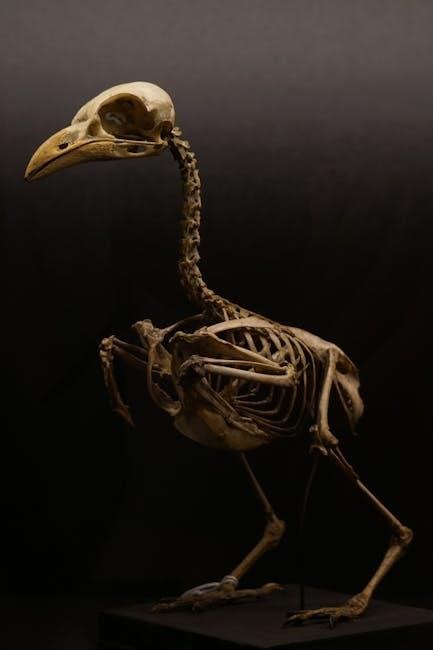
Organelles are specialized structures within cells that perform specific functions essential for cellular survival and operation․ The nucleus serves as the control center, housing DNA and regulating gene expression․ Mitochondria generate energy through cellular respiration, producing ATP․ Ribosomes synthesize proteins, while the endoplasmic reticulum and Golgi apparatus process and transport these proteins․ Lysosomes contain digestive enzymes, breaking down waste and foreign substances․ The cytoplasm acts as a medium for chemical reactions and organelle movement․ Chloroplasts, found in plant cells, conduct photosynthesis, converting light energy into chemical energy․ Understanding the roles and interactions of these organelles is crucial for comprehending cellular function and preparing for the Biology EOC assessment;
Cell Division: Mitosis and Meiosis
Cell division is a fundamental biological process essential for growth, repair, and reproduction․ Mitosis results in two genetically identical diploid cells, crucial for tissue repair and asexual reproduction․ It consists of phases: prophase, metaphase, anaphase, telophase, and cytokinesis․ Meiosis, in contrast, produces four genetically unique haploid cells, vital for sexual reproduction․ It involves two divisions, reducing chromosome number by half․ Understanding these processes is key for the Biology EOC, as they underpin concepts like genetic diversity and cellular function․ Practice questions and diagrams in this guide help clarify these complex mechanisms, ensuring mastery for the assessment․
Cellular Energy Production: Photosynthesis and Respiration
Cellular energy production is vital for life, with photosynthesis and respiration being key processes․ Photosynthesis occurs in chloroplasts, converting light energy into chemical energy, producing glucose and oxygen․ This process is essential for energy capture and supports life on Earth․ Respiration, occurring in mitochondria, breaks down glucose to release energy, producing ATP, carbon dioxide, and water․ Both processes are interconnected, sustaining energy flow in ecosystems; Understanding these mechanisms is critical for the Biology EOC, as they underpin cellular function and energy transfer․ This guide provides detailed explanations, diagrams, and practice questions to ensure mastery of these fundamental concepts․
Genetics and Heredity
Genetics and heredity explore how traits are inherited and expressed across generations․ This section covers Mendelian laws, DNA structure, and modern genetic techniques, essential for understanding biological inheritance patterns․
Mendelian Genetics and Inheritance Patterns
Mendelian genetics focuses on the fundamental principles of heredity discovered by Gregor Mendel․ These include the Law of Segregation and the Law of Independent Assortment, which explain how genes are inherited․ Students will learn about dominant and recessive traits, genotype and phenotype, and how these concepts apply to predictable inheritance patterns․ The study of Punnett squares and monohybrid and dihybrid crosses is essential for understanding genetic probabilities․ This section also explores how Mendel’s laws form the basis of modern genetic studies, including complex inheritance patterns and exceptions to Mendelian rules․ By mastering these concepts, students will gain a solid foundation in genetics, crucial for success on the Biology EOC assessment․
- Key concepts: genotype, phenotype, dominant/recessive traits․
- Tools: Punnett squares, monohybrid/dihybrid crosses․
- Applications: Predicting inheritance patterns, understanding genetic diversity․
DNA Structure and Replication
DNA (deoxyribonucleic acid) is a double-stranded helix with sugar-phosphate backbones and nitrogenous base pairs (adenine-thymine and guanine-cytosine)․ Its structure allows for precise replication, ensuring genetic continuity․ Replication is semi-conservative, with each new DNA molecule containing one original strand and one newly synthesized strand․ Key enzymes like helicase, DNA polymerase, and ligase facilitate this process․ Understanding DNA replication is crucial for grasping genetic inheritance and molecular biology concepts․ This section covers the mechanisms of replication, the role of enzymes, and the importance of accuracy in DNA synthesis, preparing students for related questions on the Biology EOC assessment․
- Key concepts: double helix, base pairing, semi-conservative replication․
- Processes: unwinding, priming, elongation, and ligation․
- Enzymes: helicase, DNA polymerase, ligase․
Modern Genetic Techniques and Biotechnology
Modern genetic techniques have revolutionized biology, enabling precise manipulation of DNA and advancements in biotechnology․ Key methods include PCR (polymerase chain reaction) for amplifying DNA, CRISPR-Cas9 for gene editing, and gel electrophoresis for DNA analysis․ These tools are used in genetic engineering, forensic science, and medical diagnostics․ Biotechnology applications range from developing genetically modified organisms (GMOs) to producing therapeutic drugs․ Understanding these techniques is essential for addressing real-world challenges in agriculture, medicine, and environmental conservation․ This section explores the principles, applications, and ethical considerations of modern genetic technologies, preparing students for related questions on the Biology EOC assessment․
- Key techniques: PCR, CRISPR, gel electrophoresis․
- Applications: genetic engineering, forensics, medicine․
- Impacts: GMOs, therapeutics, environmental solutions․
Evolution and Natural Selection
Evolution and natural selection are fundamental concepts in biology, explaining how species adapt and change over time․ This section explores mechanisms of evolution, speciation, and evidence supporting these processes․
Mechanisms of Evolution and Speciation
The mechanisms of evolution and speciation are crucial for understanding how species change and diversify over time․ Natural selection, genetic drift, mutation, and gene flow are key drivers of evolution․ Natural selection favors traits that enhance survival and reproduction, while genetic drift introduces random changes in gene frequencies․ Mutations provide new genetic variation, and gene flow transfers genes between populations, maintaining genetic diversity․ These processes can lead to speciation, where new species emerge due to reproductive isolation․ Understanding these mechanisms is essential for grasping how life on Earth has diversified․ This section provides a detailed review of these concepts, preparing students for the Biology EOC assessment by clarifying the dynamics of evolutionary change and speciation․
Evidence for Evolution: Fossil Record and Comparative Anatomy
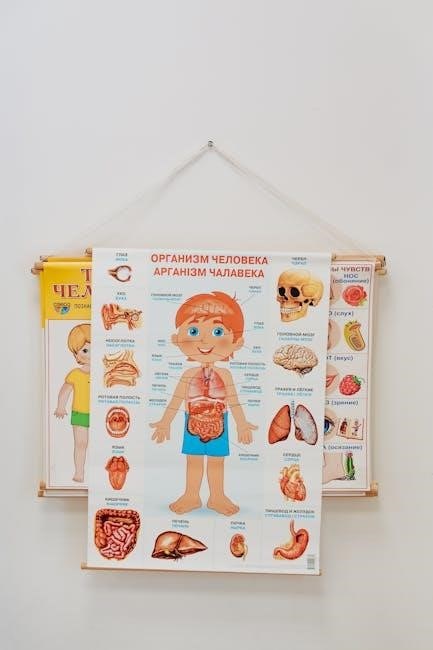
The fossil record provides a chronological history of life on Earth, revealing gradual changes in organisms over time․ Transitional fossils, such as those showing the evolution of whales or birds, offer direct evidence of evolutionary relationships․ Comparative anatomy highlights similarities and differences in structures across species, such as homologous bones in vertebrate limbs, indicating common ancestry․ Vestigial organs, like the human appendix, further support evolution by showing remnants of traits that have lost their original function․ These lines of evidence collectively demonstrate how species have adapted and diversified over millions of years․ Understanding these concepts is vital for the Biology EOC assessment, as they form the foundation of evolutionary biology․
Ecology and Environmental Biology
Ecology explores interactions between organisms and their environments, focusing on ecosystems, biogeochemical cycles, and population dynamics․ Environmental biology examines human impacts on nature, emphasizing conservation and sustainability practices․
Ecosystems and Biogeochemical Cycles
Ecosystems are complex communities of organisms interacting with their physical environment․ They rely on biogeochemical cycles, such as the carbon, nitrogen, and water cycles, to recycle essential nutrients․
These cycles ensure the continuous flow of energy and matter, sustaining life․ For example, photosynthesis captures carbon dioxide, while decomposition returns nutrients to the soil․ Understanding these processes is crucial for managing ecosystems and addressing environmental challenges․
Students will explore how human activities impact these cycles, leading to issues like climate change and nutrient depletion․ This section provides a foundation for analyzing ecological balance and promoting sustainability․
Population Dynamics and Community Interactions
Population dynamics involve the study of factors influencing population size, such as birth rates, death rates, immigration, and emigration․ These dynamics are shaped by environmental conditions, resources, and interactions with other species․
Community interactions refer to the relationships between different species within an ecosystem, including predation, competition, symbiosis, and mutualism․ These interactions play a critical role in maintaining ecological balance and diversity․
Understanding these concepts is essential for analyzing how populations and communities respond to environmental changes and human activities․ This section provides insights into the complex web of relationships within ecosystems, preparing students to address real-world ecological challenges․
Human Impact on the Environment
Human activities significantly influence ecosystems, often leading to environmental degradation․ Deforestation, pollution, and climate change are major issues impacting biodiversity and ecological balance․ These changes disrupt natural processes, affecting species survival and ecosystem services․
Resource overexploitation, such as overfishing and mining, depletes natural reserves, while urbanization fragments habitats․ Understanding these impacts is crucial for developing sustainable practices and mitigating environmental damage․
This section explores the consequences of human actions on the environment, emphasizing the importance of conservation and responsible resource management․ It prepares students to address these challenges in the Biology EOC assessment and beyond․

Botany and Plant Biology
This section explores plant structure, growth, and function, including photosynthesis, transport systems, and responses to stimuli․ It covers essential concepts for understanding plant biology in the EOC assessment․
Key topics include plant cells, tissues, and organs, as well as reproductive processes and adaptations․ This foundation is critical for mastering botany and related biological principles․
Plant Structure and Function
Plant structure and function are essential for understanding how plants grow, reproduce, and respond to their environment․ This section covers the basic anatomy of plants, including cells, tissues, and organs․ Key topics include the roles of roots, stems, leaves, and flowers, as well as the transport systems like xylem and phloem․ Students will learn about photosynthesis, respiration, and how plants adapt to environmental factors․ The study of plant structure and function is critical for comprehending botanical processes and their importance in ecosystems․ This section provides a detailed review of plant biology, ensuring a strong foundation for the Biology EOC assessment․
Photosynthesis and Respiration in Plants
Photosynthesis and respiration are vital processes in plants, enabling energy production and survival․ Photosynthesis occurs in chloroplasts, where light energy is converted into chemical energy, producing glucose and oxygen․ This process supports plant growth and provides energy for cellular activities․ Respiration, on the other hand, involves the breakdown of glucose to release energy, which powers metabolic functions․ Both processes are interconnected, ensuring energy balance and sustainability․ Understanding these mechanisms is crucial for comprehending plant physiology and their role in ecosystems․ This section provides a detailed review of photosynthesis and respiration, highlighting their importance in plant biology and preparation for the Biology EOC assessment․

Zoology and Animal Biology
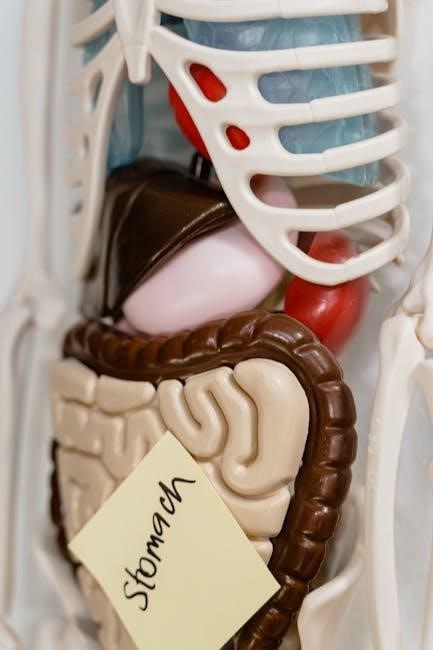
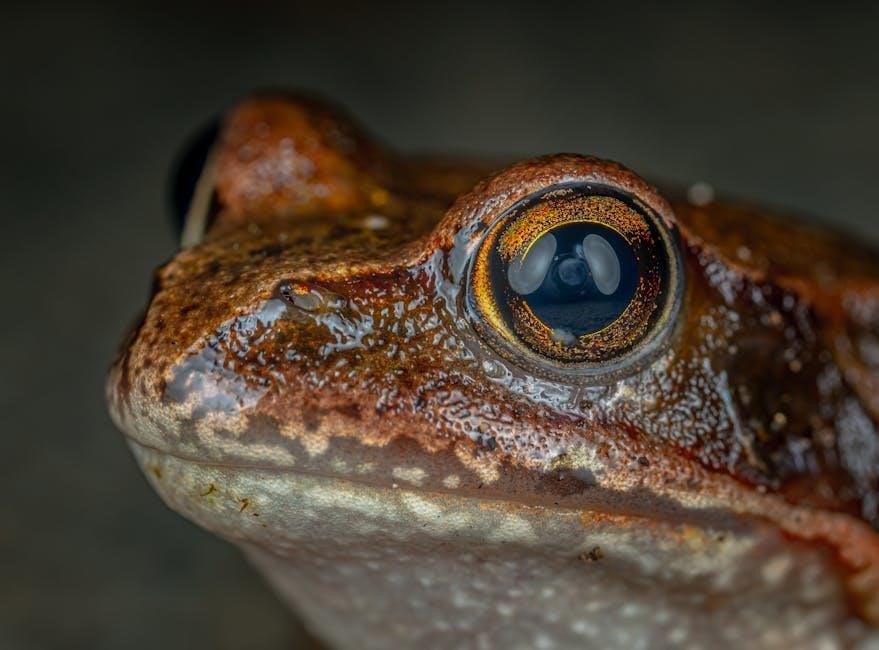
Zoology and animal biology explore the diversity of animal life, focusing on structure, function, behavior, and adaptations․ This section covers key concepts essential for understanding animal physiology and ecosystems, preparing students for the Biology EOC assessment with clear, concise information․
Animal Tissues and Organ Systems
Animal tissues and organ systems form the structural and functional foundation of animal biology․ This section delves into the four primary types of animal tissues: epithelial, connective, muscle, and nervous․ Each tissue type is explored in detail, highlighting its unique characteristics, functions, and roles within the body․ For instance, epithelial tissues form barriers and linings, while connective tissues provide support and structure․ Muscle tissues enable movement, and nervous tissues facilitate communication through nerve impulses․ The section also examines how these tissues combine to form complex organ systems, such as the digestive, circulatory, and respiratory systems․ Understanding these systems is crucial for grasping how animals maintain homeostasis, respond to stimuli, and adapt to their environments․ This knowledge is essential for success on the Biology EOC assessment․
Nervous and Circulatory Systems
The nervous and circulatory systems are vital for maintaining life and enabling bodily functions․ The nervous system, composed of neurons and glial cells, transmits nerve impulses, enabling communication, sensory perception, and control of voluntary and involuntary actions․ The circulatory system, including the heart, blood, and blood vessels, transports oxygen, nutrients, and waste products throughout the body․ Both systems work together to maintain homeostasis, with the nervous system regulating the circulatory system’s functions, such as heart rate and blood pressure․ Understanding these systems is essential for grasping how animals respond to stimuli, adapt to environments, and sustain life․ This section provides a detailed overview of their structures, functions, and interconnections, preparing students for related questions on the Biology EOC assessment․
Review and Practice
This section provides sample test questions, answers, and test-taking strategies to help students assess their knowledge and improve exam performance․ Practice tests align with state standards․
Sample Test Questions and Answers
This section offers a collection of sample test questions and answers to familiarize students with the format and content of the Biology EOC assessment․ Questions cover key topics such as cell biology, genetics, ecology, and more, aligning with state standards․ Each question is accompanied by a detailed explanation to clarify concepts and improve understanding․ These resources help students identify areas for improvement and build confidence in their knowledge․ By practicing with these sample questions, students can refine their test-taking skills and develop strategies for tackling challenging problems․ The answers provide clear feedback, enabling students to track their progress and focus on weak areas effectively․ This practice tool is essential for achieving success on the Biology EOC exam․
Test-Taking Strategies and Tips
Mastering test-taking strategies is crucial for success on the Biology EOC exam․ Start by carefully reading each question and identifying key terms to focus your answer․ Allocate time wisely, spending more on complex questions and less on straightforward ones․ Eliminate obviously incorrect answers to improve guessing odds․ Use the process of elimination for multiple-choice questions, and review your answers if time permits․ Practice active reading and note-taking to retain information during study sessions․ Stay calm and confident, as anxiety can hinder performance․ Review sample questions to familiarize yourself with the test format․ By applying these strategies, students can maximize their scores and approach the exam with confidence․
No Responses