
Cessna 150 Maintenance Manual: An Overview
This manual details crucial upkeep for the Cessna 150‚ ensuring safe and reliable operation‚ covering airframe‚ engine‚ and systems inspections.
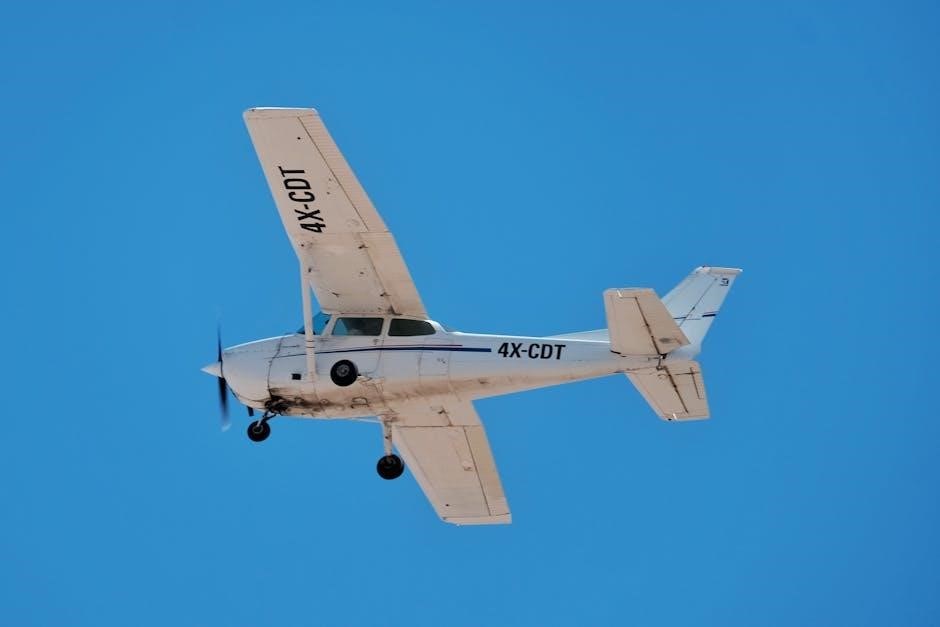
The Cessna 150‚ a cornerstone of general aviation‚ is renowned for its simplicity‚ reliability‚ and affordability‚ making it a popular choice for flight training and personal use. This aircraft‚ while robust‚ requires diligent maintenance to ensure continued airworthiness and operational safety. This manual serves as a comprehensive guide for owners and mechanics alike‚ detailing procedures for inspecting‚ servicing‚ and repairing all aspects of the Cessna 150. Understanding the aircraft’s systems and adhering to the recommended maintenance schedule are paramount for maximizing its lifespan and maintaining peak performance. Regular upkeep prevents costly repairs and ensures a safe flying experience.
Scope of the Maintenance Manual
This Cessna 150 Maintenance Manual encompasses all scheduled maintenance‚ inspections‚ and repair procedures necessary to maintain the aircraft in an airworthy condition. It details airframe inspections (annual‚ 100-hour‚ progressive)‚ engine maintenance – specifically for Lycoming O-240/O-320 engines – landing gear servicing‚ flight control system checks‚ and electrical system troubleshooting. Furthermore‚ it covers fuel system upkeep‚ including tank and line inspections. This manual is intended for use by certified aviation mechanics and experienced owners‚ providing detailed instructions and specifications for all maintenance tasks.

Airframe Maintenance
Maintaining the Cessna 150’s airframe involves regular inspections for corrosion‚ fabric covering integrity‚ and structural damage‚ ensuring continued flight safety.
Inspections – Annual‚ 100-Hour‚ and Progressive
Cessna 150 airframe integrity relies on a tiered inspection schedule. Annual inspections are comprehensive‚ covering every aspect of the aircraft‚ mandated by aviation regulations. 100-hour inspections focus on critical components‚ often required for hire or flight training operations. Progressive inspections break down the annual inspection into smaller‚ more manageable segments performed throughout the year.
These inspections include detailed checks of the control surfaces‚ fuselage‚ wings‚ and landing gear. Thorough documentation of all findings and corrective actions is essential for maintaining airworthiness and ensuring continued safe operation of the Cessna 150. Proper adherence to these schedules is paramount.
Corrosion Prevention and Control
Corrosion is a significant threat to the longevity of a Cessna 150‚ particularly in humid or coastal environments. Regular inspections are vital to identify early signs of corrosion on the airframe‚ engine components‚ and hardware. Preventative measures include applying protective coatings‚ sealants‚ and corrosion inhibitors to vulnerable areas.
Prompt removal of any corrosion‚ followed by appropriate treatment and re-protection‚ is crucial. Detailed cleaning and lubrication of control cables and hinges also help prevent corrosion. Consistent monitoring and proactive maintenance are key to controlling corrosion and preserving the aircraft’s structural integrity.
Fabric Covering Inspection and Repair
The Cessna 150’s fabric covering requires meticulous inspection for tears‚ punctures‚ deterioration‚ and proper tension. Regular checks should focus on seams‚ rib stitching‚ and the overall condition of the fabric. Any damage must be addressed promptly to maintain aerodynamic integrity and prevent further degradation.
Minor repairs‚ such as patching small tears‚ can be performed by appropriately trained personnel following approved procedures. More extensive damage necessitates professional fabric covering repair or replacement. Maintaining a taut‚ smooth fabric surface is essential for optimal flight performance and safety.
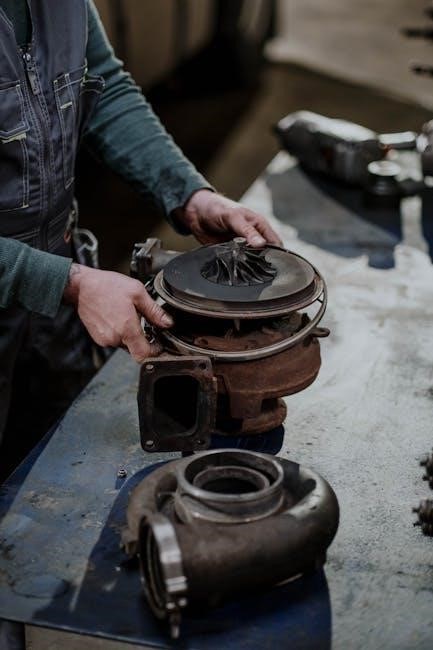
Engine Maintenance (Lycoming O-240/O-320)
This section details maintenance procedures for the Lycoming O-240 and O-320 engines‚ including oil changes‚ spark plug servicing‚ and carburetor upkeep.
Oil Changes and Filter Replacements
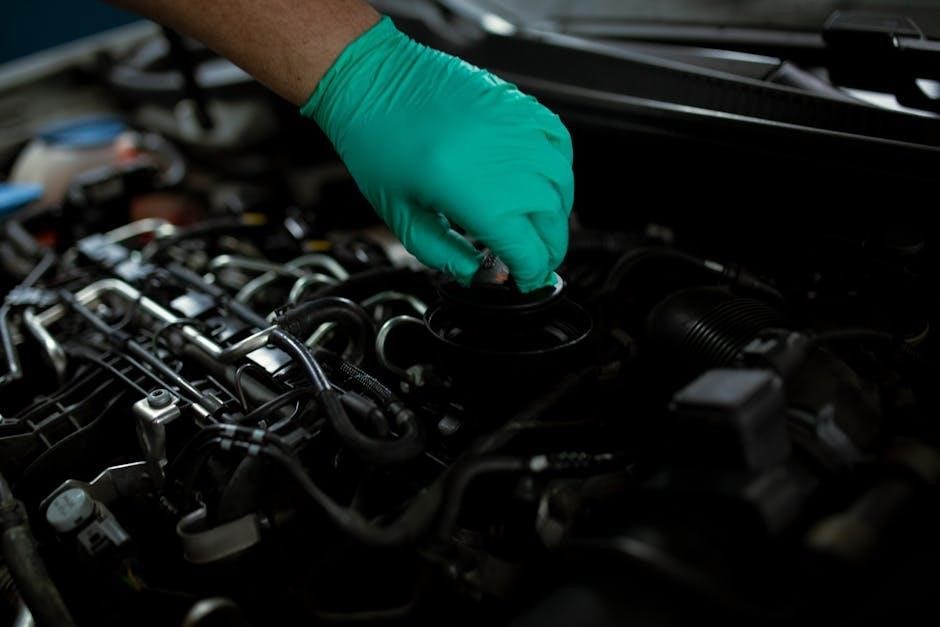
Regular oil changes are paramount for Lycoming O-240/O-320 engine longevity. This procedure involves draining the old oil‚ carefully inspecting it for metal shavings – indicators of potential internal wear – and replacing the oil filter. Utilize an oil specifically formulated for aviation engines‚ adhering to Lycoming’s specifications regarding viscosity and additives.
Proper disposal of used oil is crucial‚ following environmental regulations; Record all oil changes meticulously in the aircraft’s maintenance logbook‚ noting the date‚ oil type‚ and filter details. Consistent adherence to recommended oil change intervals‚ typically every 50 flight hours or annually‚ safeguards against engine damage and ensures optimal performance.
Spark Plug Inspection and Replacement
Routine spark plug inspection is vital for maintaining optimal engine combustion and performance in the Lycoming O-240/O-320. Examine each plug for signs of wear‚ fouling‚ or damage to the electrodes and insulator. Check the gap meticulously‚ ensuring it aligns with the engine manufacturer’s specifications.
Replace spark plugs at the intervals recommended by Lycoming‚ typically every 500 hours‚ or sooner if any defects are detected. Use only approved spark plugs for the Cessna 150 engine. Accurate installation‚ with proper torque‚ is essential to prevent leaks and ensure reliable ignition. Log all inspections and replacements.
Carburetor Maintenance and Overhaul
The Cessna 150’s carburetor requires regular maintenance to ensure consistent fuel-air mixture delivery. Periodic cleaning is crucial to remove deposits that can restrict airflow and affect engine performance. Inspect all linkages and floats for free movement and proper operation.
Overhaul the carburetor at the manufacturer’s recommended time‚ typically every 500 hours‚ or if experiencing persistent issues like rough idling or mixture control problems. A qualified aviation mechanic should perform the overhaul‚ replacing worn parts and ensuring precise adjustments for optimal engine function.
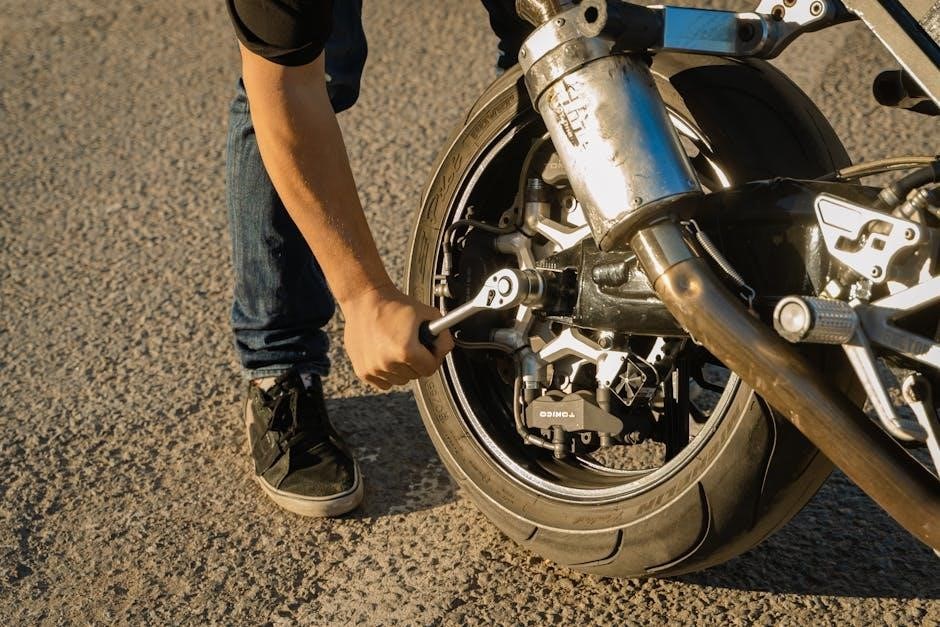
Landing Gear Maintenance
Proper landing gear upkeep is vital for safe Cessna 150 operation‚ encompassing tire pressure checks‚ brake system inspections‚ and strut servicing procedures.
Tire and Brake Maintenance
Maintaining proper tire inflation and brake function is paramount for Cessna 150 ground operations and safety; Regularly inspect tires for wear‚ damage‚ and correct pressure – adhering to manufacturer specifications detailed in the aircraft’s Pilot Operating Handbook (POH). Brake inspections should verify pad thickness‚ hydraulic fluid levels‚ and overall system integrity.
Bleeding the brake lines is crucial to remove air and ensure optimal stopping power. Thoroughly check wheel bearings for lubrication and signs of excessive play. Damaged tires or faulty brakes must be addressed immediately by a qualified mechanic to prevent potential incidents during taxi‚ takeoff‚ or landing.
Strut Inspection and Servicing
Cessna 150 main landing gear struts require periodic inspection for leaks‚ proper extension‚ and overall condition. Regularly check the strut seals and extension indicators to ensure they fall within acceptable limits as outlined in the maintenance manual. Servicing involves adding hydraulic fluid to maintain correct pressure‚ impacting ground handling and ride quality.
Inspect for corrosion or damage to the strut components. Any discrepancies necessitate immediate attention from a certified mechanic. Proper strut maintenance contributes significantly to safe landings and prevents potential damage to the airframe during ground operations.
Wheel Bearing Inspection and Lubrication
Regular inspection of Cessna 150 wheel bearings is critical for safe taxiing and takeoff/landing operations. Examine bearings for excessive play‚ roughness when rotated‚ and any signs of corrosion or spalling. Proper lubrication with the specified aircraft grease minimizes friction and prevents premature wear.
During lubrication‚ ensure the grease fully purges old contaminants. Damaged or excessively worn bearings must be replaced immediately by a qualified mechanic. Neglecting wheel bearing maintenance can lead to wheel failure‚ posing a serious safety hazard.
Flight Control System Maintenance
This section covers inspection‚ adjustment‚ and rigging of Cessna 150 control cables‚ ailerons‚ elevators‚ and rudder for precise flight control responsiveness.
Control Cable Inspection and Adjustment
Regular inspection of Cessna 150 control cables is paramount for flight safety. This involves a thorough visual check for fraying‚ kinking‚ corrosion‚ or damage to the cable itself and its associated hardware. Pay close attention to turnbuckles‚ pulleys‚ and cable ends.
Adjustment is critical to ensure proper control surface travel and responsiveness. Verify free play within specified limits‚ adjusting turnbuckles as needed to achieve correct tension. Improperly adjusted cables can lead to sluggish controls or even control surface binding‚ significantly impacting aircraft handling characteristics. Document all adjustments meticulously in the aircraft’s maintenance logs.
Aileron‚ Elevator‚ and Rudder Inspection
Comprehensive inspection of the Cessna 150’s control surfaces – ailerons‚ elevator‚ and rudder – is vital. Examine each surface for any signs of damage‚ including cracks‚ dents‚ or fabric deterioration (if applicable). Check hinge points for looseness and ensure smooth‚ unrestricted movement.
Inspect the balance weights to confirm they are securely attached and within weight limits. Verify control surface gaps are within acceptable tolerances. Look for any evidence of corrosion around hardware. Proper functioning of these surfaces is crucial for maintaining aircraft control during all phases of flight; document all findings;
Control Surface Rigging
Rigging verification for the Cessna 150’s control surfaces ensures precise and responsive flight control. Carefully inspect all control cables‚ pulleys‚ and bellcranks for wear‚ fraying‚ or damage. Confirm proper cable tension and freedom of movement throughout the entire system.
Check for correct travel limits and symmetry between left and right control surfaces. Adjust rigging as needed to achieve specified control deflections. Document all adjustments made. Proper rigging is paramount for safe handling characteristics and pilot workload reduction during flight operations.
Electrical System Maintenance
This section covers battery checks‚ wiring harness inspections‚ and avionics troubleshooting procedures vital for maintaining a functional and safe electrical system.
Battery Maintenance and Replacement
Regular battery inspections are paramount for reliable Cessna 150 operation. Check for corrosion around terminals‚ ensuring a clean and secure connection. Specific gravity testing determines the battery’s charge level and overall health; low readings indicate a need for charging or potential replacement.
Always disconnect the battery before performing any electrical work. When replacing‚ use only an approved battery type and capacity. Proper disposal of old batteries is crucial‚ adhering to environmental regulations. Document all battery maintenance and replacement activities in the aircraft’s logbook for traceability and compliance.
Wiring Harness Inspection
Thorough inspection of the Cessna 150’s wiring harness is vital for preventing electrical failures. Look for signs of chafing‚ cracking‚ or deterioration of insulation‚ particularly in areas prone to vibration or heat. Ensure all connections are secure and free from corrosion.
Pay close attention to areas where wires pass through bulkheads or near moving parts. Repair or replace any damaged wiring immediately‚ using approved materials and techniques. Document all findings and corrective actions in the aircraft’s maintenance records‚ ensuring continued airworthiness and safety.
Avionics Troubleshooting
Effective avionics troubleshooting in the Cessna 150 requires a systematic approach. Begin with a power supply check‚ verifying voltage and continuity. Utilize the aircraft’s wiring diagrams to trace circuits and isolate faults. Common issues include loose connections‚ failed components‚ and antenna problems.
Employ a multimeter and‚ when appropriate‚ specialized avionics test equipment. Consult the avionics manufacturer’s documentation for specific troubleshooting procedures. Proper grounding is crucial; inspect ground connections for integrity. Document all tests and repairs meticulously in the aircraft’s logbooks.
Fuel System Maintenance
Maintaining the Cessna 150’s fuel system involves regular tank inspections‚ line checks‚ and fuel pump servicing to ensure optimal engine performance and safety.
Fuel Tank Inspection and Cleaning
Regular fuel tank inspections are paramount for Cessna 150 safety. Annually‚ visually examine tanks for leaks‚ dents‚ or corrosion‚ paying close attention to seams and fuel pickup points. Internal inspection requires draining the fuel and utilizing a borescope to check for debris or contamination. Cleaning involves flushing the tanks with approved solvents‚ removing sediment‚ and ensuring proper ventilation during the process.
Always adhere to manufacturer’s guidelines and safety precautions when handling fuel and solvents. Document all inspections and cleaning procedures meticulously in the aircraft’s maintenance logs. Proper tank maintenance prevents fuel starvation and ensures reliable engine operation.
Fuel Line Inspection and Replacement
Cessna 150 fuel lines require diligent inspection for cracks‚ chafing‚ and leaks during each annual and 100-hour check. Pay particular attention to areas near fittings and where lines pass through structural components. Any sign of deterioration necessitates immediate replacement with FAA-approved parts.
When replacing fuel lines‚ ensure proper routing‚ secure clamping‚ and correct fuel-resistant hose type. Thoroughly inspect all connections for tightness and leaks after installation. Document all fuel line work in the aircraft’s maintenance records‚ including part numbers and dates.
Fuel Pump Maintenance
The Cessna 150’s fuel pump‚ though often auxiliary‚ demands periodic maintenance. Regular checks involve verifying proper operation during run-up and monitoring for unusual noises or pressure fluctuations. Inspect electrical connections for corrosion and ensure secure grounding.
If the pump fails‚ troubleshooting should begin with voltage checks and fuel strainer inspection. Overhaul or replacement is typically required for significant failures. Always refer to the Cessna 150 component maintenance manual for specific procedures and approved parts. Document all fuel pump maintenance meticulously.
No Responses